
Listen to "Surah 11 (Hud: Quran Ki Roshni)"
Stream this track directly from Spotify
About Surah 11 (Hud: Quran Ki Roshni)
Surah 11 (Hud: Quran Ki Roshni) stands as a significant release in the musical journey of Abu Sayed. Officially unveiled on April 24, 2025, this Track highlights the evolution of Sayed as a contemporary Bangladeshi Musical Artist. With its release in April 2025, it has quickly garnered attention for its unique blend of traditional melodies and modern production techniques.
As a multifaceted Composer and Music Producer, Abu Sayed ensures that every element of Surah 11 (Hud: Quran Ki Roshni) resonates with authenticity. Featured on the project Surah 11 (Hud: Quran Ki Roshni), this track spans 3:13 of pure musical artistry. The detailed arrangement and heartfelt lyrics showcase his prowess as a Lyricist, making it a must-listen for audiophiles and casual listeners alike. For those who want to dive deeper into the meaning, you can read the complete lyric for Surah 11 (Hud: Quran Ki Roshni) on abusayed.com.bd.
Experience the depth of Surah 11 (Hud: Quran Ki Roshni) by streaming it directly on this platform. Whether you are a long-time follower of Abu Sayed or a new listener discovering his work in 2025, this Track offers a compelling glimpse into the future of Bangladeshi music. Support independent artists by engaging with this official release.
Listener Reviews


Related Playlists
Playlists that match this track or its album
Share this Track
Related Videos
Behind the Song
Song insights and analysis
Meaning
The title blends Surah 11, Hud, with “Quran Ki Roshni” (the light of the Quran), signaling that divine revelation is a guiding, clarifying light in a world often shrouded in doubt. Hud as a prophet brings both illumination and warning—the light reveals truth, dispels ignorance, and exposes the consequences of turning away from guidance. In this frame, the song acts as a modern meditation on how faith and revelation steer a person through moral choices, social injustice, and life’s trials.
Themes of revelation, accountability, and mercy run through the piece. The “light” is not just knowledge but a compass for righteous living—challenging arrogance, urging justice, and calling communities to align with ethical truth. By invoking Hud’s stories, the artist suggests that neglecting this light leads to confusion and downfall, while embracing it brings clarity, purpose, and resilience. The message is a call to seek and carry the Quran’s illumination into everyday life, transforming personal behavior and collective action.
Overall, the track presents a contemporary plea to reconnect with spiritual illumination as a practical force for good. It invites listeners to open themselves to the Quran’s guidance, confront their own blind spots, and become agents of light in their communities—bridging sacred wisdom with modern expression to foster truth, compassion, and integrity.
Story
On a rain-wet night, Abu Sayed sits alone in a dim studio above a quiet street, the city’s hum muffled by thick glass. He’s been chasing a feeling more than a melody—the sense of guidance, of a light cutting through doubt. Surah Hud has been whispering to him lately, a map of resilience and mercy, and he imagines translating that light into sound: not a sermon, but a door opening. He flips open a notebook and starts sketching a chorus in Urdu, letting the word roshni drift like a lantern in the wind, while a simple piano motif climbs and recedes, as if tracing a fingertip along a dark wall until it finds a spark. The idea of “Quran Ki Roshni” takes a shape—soft, intimate, yet capable of carrying a roomful of listeners toward hope.
When the production begins in earnest, the room fills with textures rather than thunder. He records a field patina—street sounds at midnight, a distant call to prayer, the faint click of a tram—as if the city itself were lending a heartbeat to the track. A warm drone underpins the mix, while strings and a rubab add an ancient, ceremonial glow. Tabla and subtle percussion anchor the tempo, giving the feel of a journey with each verse returning to the guiding light. A vocalist, then a spoken-word guest, thread the chorus with breath and gravity, their voices layered to feel like a chorus of souls seeking direction. They tinker with harmolike inflections, letting the melody wander between eastern timbres and contemporary rhythm until the song breathes like a lantern-lit corridor.
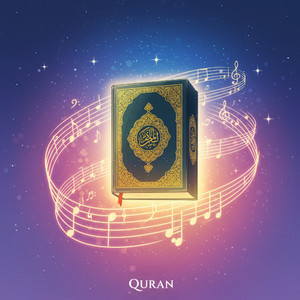
The final cut comes together like a prayer well practiced. They polish the mix until the layers glow without shouting, and a designer friend crafts a cover image of intertwining lanterns and calligraphic lines that seem to glow on screen. Released on 2025-04-24, the track lands with a measured lull and a rising sense of invitation: a invitation to find one’s own light in the spaces between notes. Abu Sayed listens to early feedback and smiles at the idea that a single verse of music can become a guide for someone walking through their own darkness. He hopes the song becomes less about him and more about the listener—the moment when hearing the light becomes a decision to move toward it, again and again.
Themes
- Guidance through divine revelation
- Light overcoming darkness
- Resilience and steadfast faith
- Justice, truth, and accountability
- Unity and collective uplift
Moods
Overview
Surah 11 (Hud: Quran Ki Roshni) is Track 1 of Abu Sayed’s single released on 2025-04-24, opening the project with a concise 3:13 runtime that sets a contemplative tone. From a producer’s viewpoint, the track crafts a minimal yet immersive soundscape: controlled percussion anchors shimmering pads and a melodic lead that carries the luminous title, allowing space for the voice to breathe and resonate. The production emphasizes clarity and forward momentum, making the texture feel cinematic without overpowering the message.
As a composer, Sayed builds the piece around a central motif that evolves through subtle harmonic shifts, echoing the recitative cadence of Surah Hud and transforming the instrumental arrangement into a narrative arc toward enlightenment. The lyric craft—by the track’s own lyricist perspective—delves into guidance, faith, and resilience, presenting the Light of the Quran as a beacon amid life’s trials.
The result is a spiritually charged opener that blends contemporary production with timeless Qur’anic themes, ideal for playlists centered on spiritual music, Quran-inspired art, and introspective soundscapes. A strong debut that invites listeners to explore deeper reflection through sound.
About "Surah 11 (Hud: Quran Ki Roshni)"
"Surah 11 (Hud: Quran Ki Roshni)" is a song by Abu Sayed, Fahmida Akter Ritu from the single "Surah 11 (Hud: Quran Ki Roshni)". This track has a duration of 3:13 and is track number 1 on the album.
Stream "Surah 11 (Hud: Quran Ki Roshni)" on Spotify, Apple Music, Amazon Music, and all major streaming platforms. Click the play button above to listen now!
Stream on Other Platforms
Listen to Abu Sayed on your favorite platform
